
Dopamine Stacking - Productivity Hack or Drive Killer?
Introduction - What is Dopamine Stacking?
Dopamine is a neurotransmitter and hormone which plays an important role in motivation, mood and the brain’s reward system. It helps humans experience pleasure and reinforces behaviours. It’s largely responsible for our productivity and drives our desire to accomplish and achieve; it’s part of the innate reward system that has driven our species towards our achievements since the beginning of our existence. Just about anything which we experience as pleasurable releases dopamine.
Food, drugs, social media, entertainment, sugar, exercise, etc. A little bit of dopamine is released at the thought or anticipation of any pleasurable activity, and then more is released once that is completed. It’s the drive to eat, your brain signals the anticipation of eating, e.g. a banana by releasing a bit of dopamine, and if you then complete that task and have a banana, your brain rewards you with even more by transmitting this pleasant hormone. When we pile up these pleasurable activities, we engage in dopamine stacking.
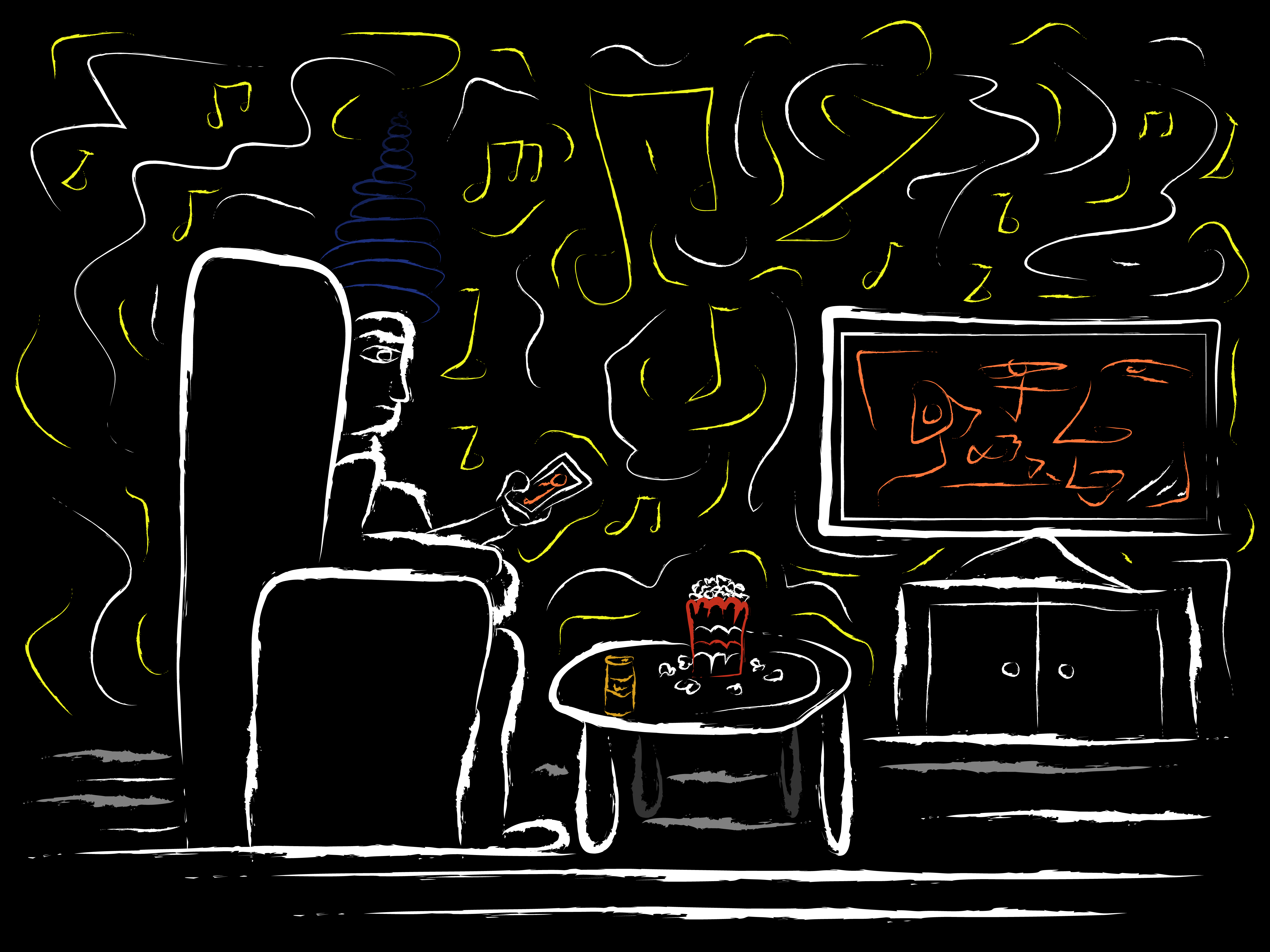
Building a dopamine stack means combining multiple sources of stimuli or substances to enhance dopamine release, and it’s used as a way to boost motivation or enjoyment. From the simple act of drinking coffee while working to more complex stacks, like watching a movie in the background, while scrolling on the phone as you’re munching down on a sweet snack and perhaps a cold beverage.
Most of us engage with dopamine stacking on a daily basis - either consciously or without much thought behind it. You hear from time to time claiming it’s a sure life hack to maximise productivity, while others warn of it as a laziness trap and a way to quickly ruin your personal drive. So which one is it?
Is dopamine stacking an effective productivity hack and a replacement for willpower? Or is it a dangerous practice which is more likely to lead to burnout, depression and laziness? You might not be shocked to learn that the truth lies somewhere in between and that it really depends on your personal brain chemistry. This essay will look at the potential side effects of dopamine stacking as well as the potential rewards.
The Bad
Circuit overload & Burnout - High dopamine spikes in a short period of time lead to less dopamine being released overall and there’s good evidence that stacking enjoyments lessens all activities and your enjoyment of them. For example if you’re listening to intensive music while working out, or listening to an audiobook while doing the dishes your brain isn’t connecting fully to either activity and you’re not immersed in either - you’re somewhere between the two. This means you get less of a reward from both activities which may still be higher than just a single activity. However, in the long run your brain will always try to acclimate to a stable level of dopamine, and this results in both activities releasing less dopamine in the long term which makes some people seek out another stimuli to stack on top.
While it may heighten your enjoyment and productivity in the short term, it will often lead to a crash in both mood and motivation long term. Because we’re more motivated by bigger dopamine releases, shortening our circuits by constantly upping our dopamine releases can make productivity and focus more difficult. People who take regular breaks from high-dopamine activities like various phone activities report finding more enjoyment in smaller dopamine activities like cleaning, cooking and so on.
Dopamine stacking can thus often be a short term motivation or fix and not a long term one, and it can even be more harmful and a drive killer in the long run.
Creating Conditions - Layering multiple rewards, you also add new conditions to a single activity to be met to get the sense of pleasure. When we stack things on top of each other, especially if it’s things we like we add new conditions for our brains to enjoy that activity. Have you ever found yourself unable to study without music? Or you can’t get yourself to clean without listening to a YouTube essay? This might be the reason. Your brain begins to associate these activities stacked, that engaging in just one or two of these piled up actions makes them less enjoyable. Say you stack two things you like to do: eat and watch a show. Combining the two constantly conditions your brain to only enjoy your food while you watch something and to only enjoy watching something while you eat. This can ultimately lead to codependency on dopamine stacking to get things done or to enjoy things in life.
Substance Abuse & Codependency - Substance abuse might not seem like an obvious one, but it becomes another form of dopamine stacking and is an expression of the codependence we can build on external rewards to get us to do things. When we think of substance abuse we often think about illegal drugs, but when it comes to dopamine stacking we should also consider more common and legal substances like prescription medication, caffeine and nicotine. How many people claim they can’t do anything until they’ve hard their morning coffee? How many smokers go for a break before and after doing something?
These substances and many more are part of dopamine stacking. We drink our coffee and to enjoy it more we have something sweet with it. People drink pre-workout to motivate themselves to go to the gym and all of these behaviours can lead to codependence, meaning we’re unable to do them without meeting this conditions we created. If we’re not careful we can completely ruin our internal reward system by only engaging in external rewards.
Internal and External Rewards - David Greene and Mark R Lepper from Stanford University did a study on a group of preschoolers to look at external vs internal rewards. What they found was very interesting and reveals a lot about how external rewards can change our internal reward system.
The preschoolers were given the opportunity to paint or draw daily, with no other motivation. The kids engaged happily and freely with the crafts and were entirely driven by their own motivation. Later, an external reward was added in the form of a gold star handed out to any child participating in the craft hour; the children continued to happily engage with the activity. That was until the external reward was removed and the children had to once again just rely on their own internal motivation. The result was shocking: the children stopped completely. Because their internal motivation had been replaced by an external one, once the external one was removed, they were left with no motivation to do it at all.
When we engage in dopamine stacking, we run the risk of replacing our innate reward system and being left without any motivation once we try to minimise or remove our dopamine stacks.
Inappropriate Stacking - The more your brain engages with dopamine stacking, the more it wants to stack these experiences onto other things it begins to find boring. One such potential negative we see is people stacking high-risk activities that require high levels of focus and attention. Across the globe, traffic incidents related to phone use have increased and countries where using your phone while driving is illegal, have seen a large increase in fines related to this crime.
Complacency and Cope - Dopamine stacking is often used as a form of escapism and to cover up other feelings. A common trope about Scandinavians is working 9-5, 5 days a week at a job they hate, with people they dislike, and they spend their weekend drinking like crazy. To them, the weekdays are just a way of transportation to the weekends, where they “truly live”. Instead of addressing the issues at their core (finding a more meaningful work or better coworkers), they instead cover up these feelings through escaping to stacks of dopamine. Restaurants, bars, travel, and so on.
When we feel bad, it’s easy to turn to dopamine-inducing activities, and it’s easy to want to stack them on top of one another. When we’re stressed or sad, we turn to fast food, sugar or substances, and we escape by playing video games, watching series and so on. A snack here and there, or watching a show to feel a bit better, isn’t the end of the world, but when we constantly turn to stacking dopamine instead of addressing the real issues, it can become a problem.
The Good
While ADHD display many symptoms and cannot be chalked up to a single cause, it’s very common to find that people with ADHD have a reduced amount of dopamine and norepinephrine transmission and production. This can explain common symptoms, including difficulty starting and finishing tasks, procrastination and other issues with internal motivation and drive, as well as pleasure seeking through substance use and other external stimuli.
Many people with ADHD or similar attention difficulties claim that stacking dopamine-inducing activities helps them perform better and be more productive. While the positives effects of dopamine stacking are largely anecdotal some people swear that it is a way to hack into productivity.
Background Noise & Music - Having background noise or listening to music is shown to help people focus and perform better during certain tasks. Intense music has been shown to be energising and can help increase performance in the gym for example. These kinds of stimuli can help create peaks in dopamine levels which can lead to heightened feelings of motivation or enjoyment. Listening to music or something interesting is a common way for people to make boring tasks more enjoyable.
Background noise like music or a podcast can also help relax and calm down an otherwise talkative mind. Productivity and immersion in a task isn’t always about what we add to it, and in this way dopamine stacking can be used to remove distractions by blocking out other noise or helping distract our minds from the “boredom” it experiences engaging with the task at hand.
Used in the right way, stacking dopamine inducing actions can help boost productivity and increase engagement in otherwise difficult tasks. This works because dopamine stacking in many ways is an amplifying force.
Amplification - Dopamine stacking can be used to amplify e.g a workout by playing energising music, or increasing mental clarity by drinking coffee at work. What student hasn’t studied under electrical light with large doses of caffeine in their system to meet a deadline? When we need to finish a task urgently or perhaps we want to set a new personal record then dopamine stacking can be a way for us to enhance performance and to perform quicker and better. It’s important to remember that if not administrated carefully this kind of turbo boosting can quickly turn to burnout and lead to less dopamine overall.
Sometimes we just need a kickstart and to help us create new patterns we can use dopamine stacking as a way to learn to enjoy tasks more.
Developmental Investment - Making a change and developing better habits is difficult, and for some people dopamine stacking activities can be a way to make difficult tasks like cleaning, doing the dishes, eating healthier or working out easier. Dopamine stacking is a way to invest in their own development.
If you find yourself absolutely incapable of starting boring tasks, then helping yourself along the way with something enjoyable on the side can be useful. As you begin to build the habit and after a while, you can try doing the task without the dopamine stack and see how you feel. It might be crazy to think to the dopamine-starved tik-tok brained that you can come to enjoy doing the dishes without any external stimuli but it is true.
Final Words
Long term, it’s probably better not to rely too heavily on dopamine stacking, but it can be very helpful for individuals looking to develop better habits and who are looking for a way to find motivation to make a change.
Almost every activity, even the boring and the mundane, comes with a dopamine reward. It could be better to focus and amplify that natural reward rather than relying on external rewards to get the task done. e.g., cleaning - a clean home is a dopamine reward in and of itself, and if that isn’t enough to motivate you, it might be because your brain expects more.
It’s important to try and strategically use dopamine stacking rather than habitually, take breaks and be mindful of how and when you’re dopamine stacking. From this essay it might seem like the bad heavily outweighs the positive, but it’s not that simple.
Dopamine stacking is natural, and we’ve always done it, but it has become excessive because of how our modern lives are ordered. It’s not difficult to imagine that people used to do chores and tasks together, and that while cooking a family would gather around to talk, and perhaps you’ve found out yourself that when you’re surrounded by other people you rely less on external stimuli. Well that’s because doing these things in a group is dopamine stacking, and the entertainment we get from our phones and computers used to come from the people closest to us.
There are levels to stacking dopamine, and some are more harmful than others. There are many drugs that induce high levels of dopamine and are very harmful and addictive, and there are activities that provide just a slim drop of extra dopamine. The most important thing is to be mindful and to observe yourself and your environment.
What blocks of dopamine-induction can you remove from your stack? Is there something you can add to help yourself do mundane and boring tasks? There are both risks and rewards associated with dopamine stacking and it’s important to balance it. Dopamine stacking is something which can be done deliberately and should only ever be employed occasionally and not routinely.
A healthy practice is understanding where and how these activities affect us and looking to solve issues long term rather than short term. If you need a coffee to do an urgent task right now that’s fine, or if you use it to build a new habit, but be honest with yourself and remove stacking where it’s unnecessary. How many instances of entertainment do you need while you eat? What activities are you codependent on to be a functioning person?
To maintain long term drive and pleasure we should be conscious of the activities we engage in, and we should let our brains rest. Maintaining healthy dopamine levels can prevent significant dips in mood and motivation. Dopamine stacking can temporarily enhance feelings of pleasure or motivation, but can have detrimental effects on drive and mood in the long term.


